
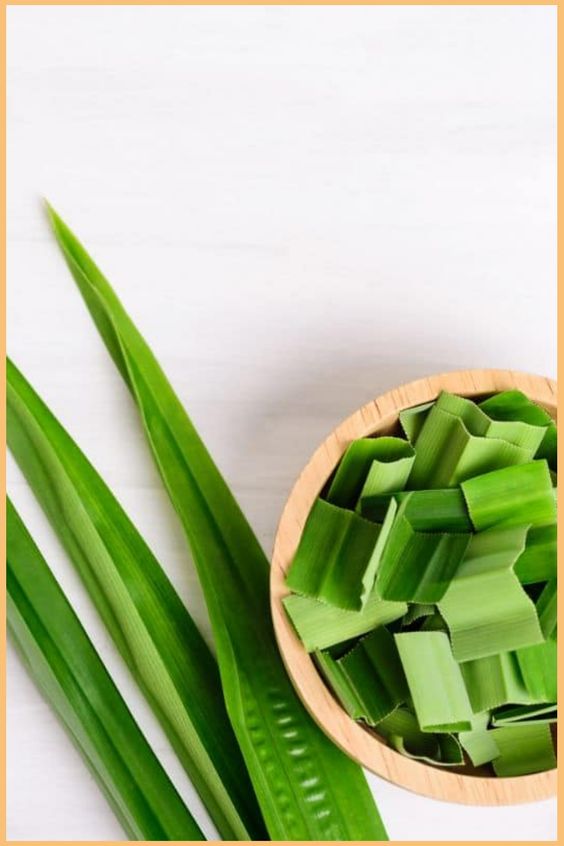

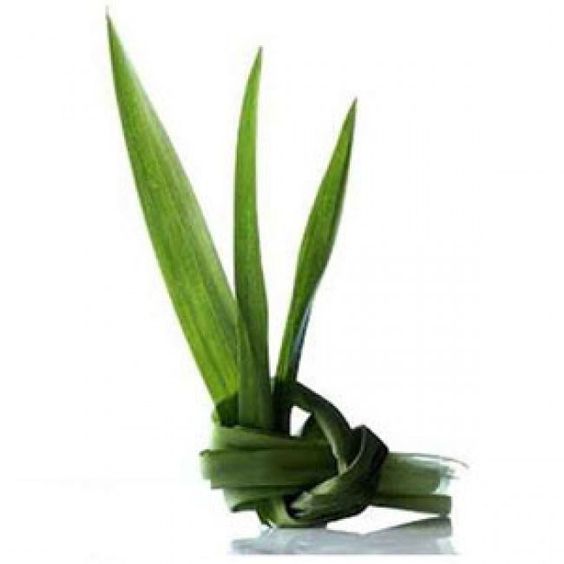
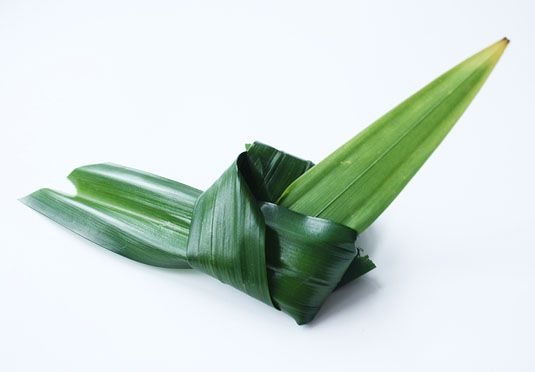

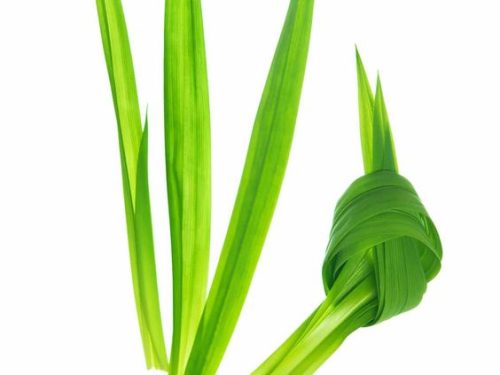
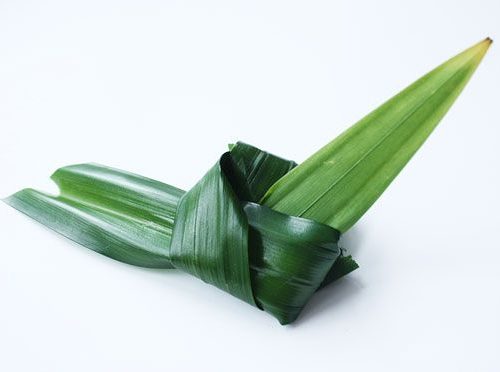

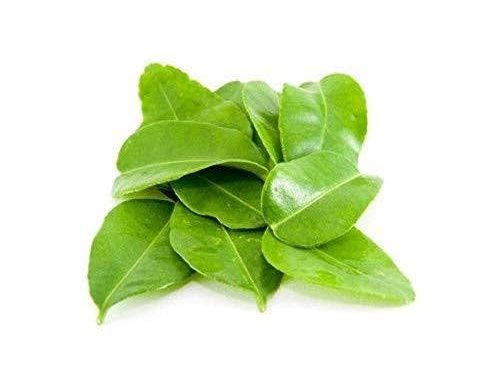
Pandan leaves, when used in “chunk” form, refer to sections of the leaf that are typically cut or torn into larger pieces rather than finely chopped or shredded. Here’s some information about pandan leaf chunks:
- Description: Pandan leaves, also known as screwpine leaves, are long, narrow, and blade-like leaves from the Pandanus plant. When used in “chunk” form, sections of the leaf are usually cut or torn into larger pieces, often about a few inches in length, to release their aromatic flavor and fragrance.
- Culinary Use: Pandan leaves are widely used in Southeast Asian cooking, particularly in Thai, Indonesian, Malaysian, and Vietnamese cuisines. The chunks of pandan leaves are added to various dishes, including rice, desserts, cakes, and savory dishes, to impart a sweet, floral, and fragrant aroma. They are often used in combination with coconut milk to enhance the flavor of dishes.
- Aromatic Properties: Pandan leaves contain natural aromatic compounds that give them their distinctive fragrance. They release a sweet, vanilla-like aroma when heated or crushed, adding depth and complexity to dishes.
- Health Benefits: In addition to their culinary uses, pandan leaves are believed to have some health benefits. They are rich in antioxidants and may have anti-inflammatory properties. Pandan leaf tea is also consumed for its potential health benefits, including promoting digestion and relieving stress.
- Cultivation and Harvesting: Pandan plants are typically grown in tropical regions and can be cultivated in home gardens or farms. The leaves are harvested fresh from the plant and can be used immediately or dried for later use.
In summary, pandan leaf chunks are prized for their aromatic flavor and are an essential ingredient in Southeast Asian cuisine. Their sweet, floral fragrance adds a unique and delightful taste to a variety of dishes, making them a beloved staple in the culinary traditions of the region.






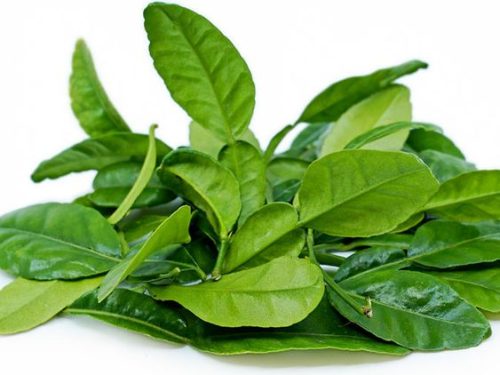
2 reviews for Pandan Leaf (chunk)
There are no reviews yet.